Women, Work and Health
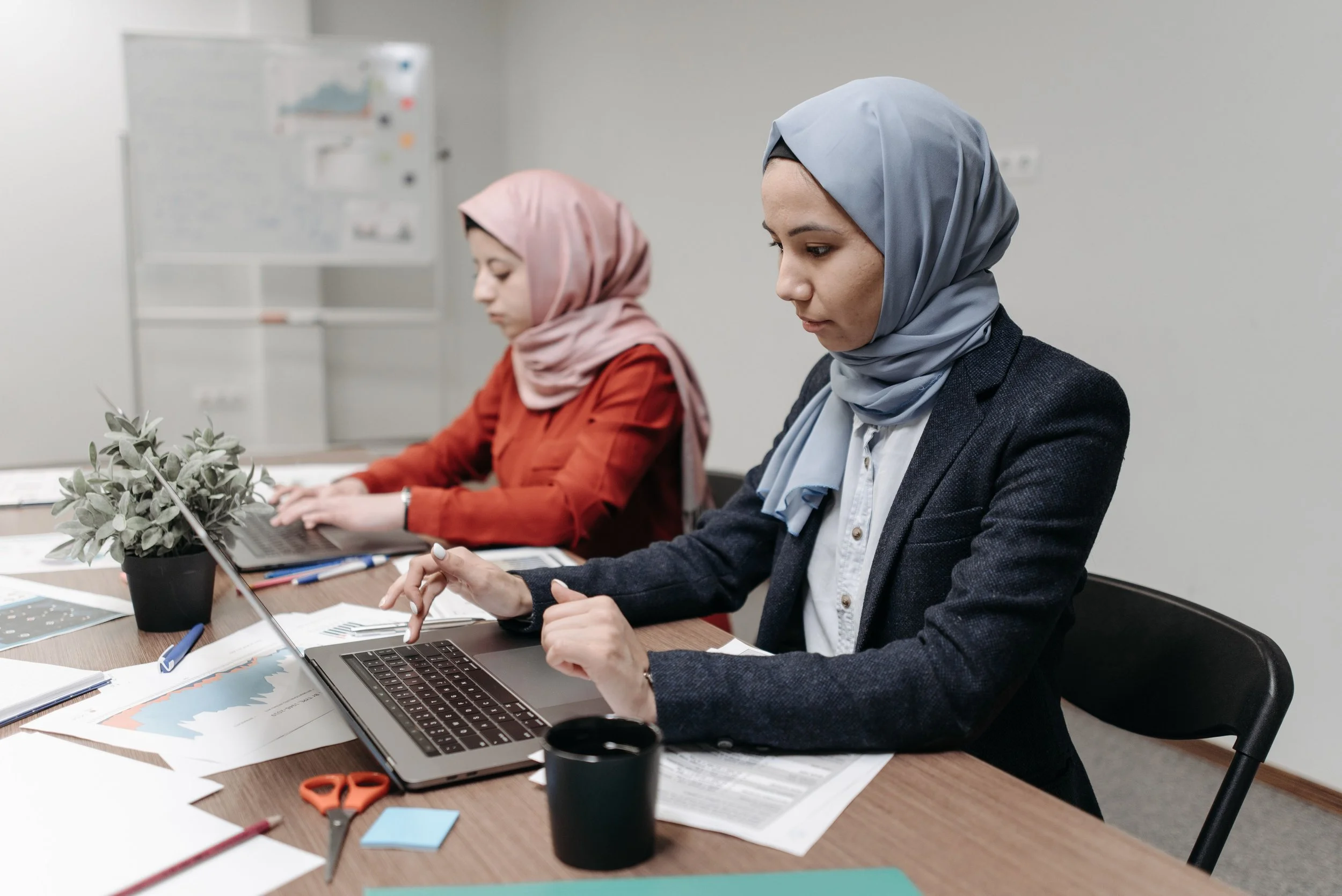

With the government reimagining its approach to women's health, we're helping organisations create workplaces where women thrive. We do this by collaboratively building better supervisory practices, providing practical resources, and fostering cultures that prioritise psychological safety, belonging, and genuine support for mind and body.
Our Process
-

EMPATHY
Empathy isn't a nice-to-have in our culture; it's the cornerstone. It means consistently seeking to understand others' emotions, thoughts, and perspectives. When empathy guides us, we build deeper trust, stronger relationships, and workplaces where people feel genuinely understood.
-

COLLECTIVISM
We believe that individual and collective success are interconnected. By adopting a collectivist approach, we recognise that everyone shares responsibility for creating a workplace culture that is socially harmonious and mutually supportive.
-

INTERSECTIONALITY
Intersectionality teaches us that women's experiences aren't monolithic. Social identities—gender, race, class, ability, sexuality, and others—intersect to create distinct advantages and barriers for each person. Women's health at work cannot be understood without recognising these intersecting identities and their profound impact.

THE PROBLEM
In the UK, the workplace's failure to support women's health costs the economy over £20 billion annually. But economics only highlight part of the damage. The true cost is paid by women themselves: deteriorating health, interrupted careers, public shame, and forced departures from the workforce. Overlooking 51% of the population is not a minor oversight—it is a systemic failure with profound, preventable consequences.
THE SOLUTION
We work alongside organisations to strengthen their capacity in four critical areas: embedding trauma-informed leadership practices, fostering inclusive environments, closing women's health knowledge gaps, and creating psychologically safe forums for meaningful conversation. This integrated approach directly protects and strengthens women's health in the workplace.
Our other Workshops
-
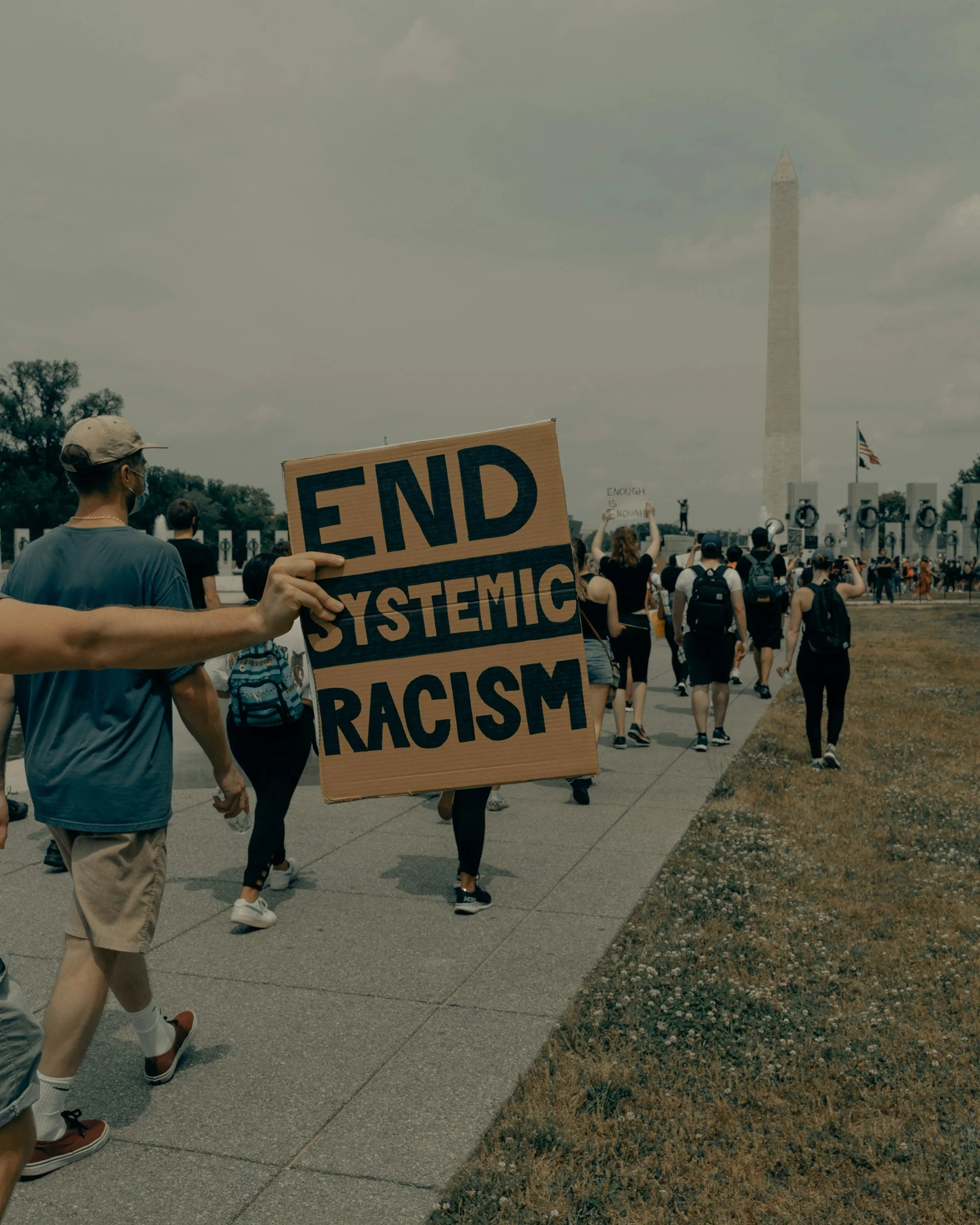
![People participating in a protest march near the Washington Monument, holding signs including one that reads "End Systemic Racism." The scene is outdoors on a cloudy day, with a crowd walking towards the monument and some individuals taking pictures.]()
Anti-Racism
Our workshops focus on removing systemic barriers by promoting anti-racism education, encouraging honest accountable dialogue, and providing trauma-informed, culturally responsive mental health support.
-
![A group of small, cream-colored flowers with orange centers, some buds and stems, against a pale, light blue background.]()
Mental Health and Well-being
The pandemic increased mental health challenges globally, highlighting the need for safe, supportive workplaces where people can thrive. Our workshops provide organisations with the tools to achieve this.